
Action Roofing has installed roofs throughout South Florida since 1986, working with builders, general contractors, and homeowners to complete new roofs on schedule and in compliance with applicable codes.
Building a new home in Miami means getting the roof right the first time. On a new construction project, we deliver roofs that meet Miami-Dade County code, suit the home’s design, and withstand coastal sun and salt air for decades.
Request a free estimate online with Action Roofing.
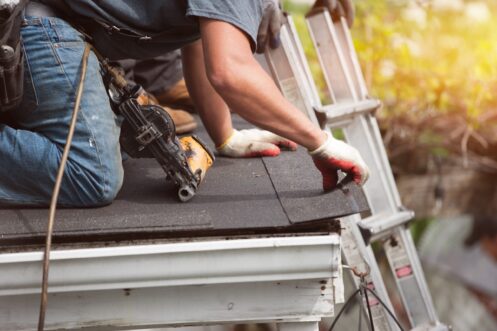
Choosing the Right Roofing Material for a Miami Home
Material selection is one of the first decisions for a new roof, shaping the look, budget, and performance of the home in the Miami climate. We walk you through options with samples and clear pricing, matched to your design and Miami-Dade approval.
Tile Roofing
Concrete and clay tile roofing is a signature Miami look and a strong coastal performer, resisting sun and salt air with a long service life. We confirm the structure is engineered for the added weight before we install.
Metal Roofing
Standing seam metal roofing offers strong wind performance and energy efficiency, with concealed fasteners that withstand coastal exposure and provide a long, low-maintenance service life.
Shingle Roofing
Architectural shingle roofing is cost-effective when the product carries Miami-Dade approval for the High-Velocity Hurricane Zone. We install shingles tested for the county’s wind requirements.
We Work With Builders and General Contractors
New construction runs on schedule, and roofing is on the critical path. We plan our crews around the build so the home is dried in on time and the trades that follow never wait on us. Working with your team, we:
- Schedule the dry-in to match framing and sheathing completion.
- Pull the roofing permit and line up the required Miami-Dade inspections.
- Maintain one point of contact for the builder from start to sign-off.
- Protect the site and clean up daily to keep the job on track.
If you are planning a project, get a free estimate, and we will map the roof into your schedule.
Miami-Dade Permitting and HVHZ Code Compliance
Miami-Dade County sits in the High-Velocity Hurricane Zone, the strictest roofing jurisdiction in Florida, and every new roof here has to meet it.
In the High-Velocity Hurricane Zone, which covers Miami-Dade and Broward, roofing products must carry a current Miami-Dade Notice of Acceptance, the county’s own product approval confirming the assembly was tested to local standards. The High-Velocity Hurricane Zone provisions in Chapter 15 of the Florida Building Code govern which roofing products and underlayments are approved in Miami-Dade County.
We handle that so the builder does not have to. We pull the roofing permit, install to the approved assembly and nailing pattern, and coordinate the county’s inspections through sign-off. This keeps the certificate of occupancy on track and ensures the roof built to the approved assembly retains its manufacturer’s warranty.
What Miami Homeowners and Builders Say About Our Work
A clean, on-time installation and clear communication define a new construction roofer. Both reviews below reflect that.
Professional, On Time, and Very Easy to Work With
Emily V. hired Action Roofing for a new roof and praised our professionalism, pace, and spotless finish. These are the same qualities builders and homeowners want on a new build.
“Action Roofing Company did an excellent job on my roof. The team was professional, on time, and very easy to work with. They explained everything clearly and finished the job quickly without any issues. The new roof looks great, and the cleanup afterward was perfect. I really appreciate their honesty and quality work. I’d definitely recommend Action Roofing to anyone who needs roofing repairs or a new roof!”
That clean, on-time handoff keeps a build on track. Read Emily’s full Google review.
He Showed Us the Material Samples and Talked Through Some Quotes
Denise Nedimyer worked with Gyorgy during the material and quoting stages and valued his punctuality, thoroughness, and the way he walked through the samples and pricing.
“Gyorgy did an excellent job. He was on time, respectful, and thorough, and he answered our questions. He showed us the material samples and talked through some quotes. I felt like a valued customer by Gyorgy.”
Choosing the right material is key to a new roof’s success and starts with real samples and clear numbers. Read Denise’s full Google review.
Warranty Registration and Long-Term Performance
A new roof comes with two kinds of coverage, both worth protecting. We register the manufacturer’s warranty in the owner’s name at completion, so it is active from the day the home is finished, rather than lost in the busy build’s paperwork. Our workmanship warranty covers the installation.
Long-term performance depends on details we build in from the start:
- Ventilation sized for the Florida climate.
- Corrosion-resistant flashings and fasteners chosen for salt air.
- Installation that follows the manufacturer’s specifications exactly.
We serve Miami and surrounding Miami-Dade communities, including Coral Gables, Doral, and Pinecrest, with a licensed, insured, locally owned, and bilingual team.
What Sets Our Roofing Company Apart in Miami, FL
- We verify the required Notice of Acceptance for each roofing assembly before we order materials.
- Our in-house crews install tile, flat, metal, and shingle roofing, as well as commercial TPO and EPDM systems.
- We are a preferred roofing contractor for several of Florida’s leading builders.
- Flexible financing is available through GoodLeap, Synchrony Bank, Renew Financial PACE, and Service Finance Company, including low-monthly-payment plans.
- Florida-certified contractor CCC #1336714 with 40 years of industry experience.
Start Your Miami New Construction Roofing Project
Action Roofing brings over 40 years of South Florida experience to new construction, with the code knowledge and scheduling discipline a Miami build needs. Whether you are a builder or a homeowner, we get the roof specified, permitted, and installed in accordance with Miami-Dade standards.
Request a free estimate to start your new construction roofing project in Miami.
FAQs About New Construction Roofing in Miami, FL
What roofing materials work best for new construction in Miami, FL?
Miami new construction projects commonly use concrete or clay tile, standing-seam metal, and architectural asphalt shingles. Still, the best material depends on the home’s design, roof slope, structural requirements, budget, and exposure to South Florida’s high winds. In Miami-Dade County, the roofing assembly must also meet the requirements applicable to the High-Velocity Hurricane Zone (HVHZ), including the required Miami-Dade approval. We help builders and homeowners compare approved materials, colors, profiles, and installation costs before ordering the roofing package.
When should the roof be installed during a new home build in Miami?
Roofing is typically installed after the structure, roof framing, and sheathing are ready and required inspections have been completed, to get the building dried in before interior construction progresses too far. This is particularly important in Miami, where heavy rain can quickly affect exposed framing, insulation, drywall, and other interior work. We coordinate with the builder’s construction schedule so materials, crews, inspections, and dry-in work are planned around the project’s milestones rather than treating roofing as a standalone installation.
Do new construction roofs in Miami-Dade County need special hurricane approval?
Yes. Miami-Dade County is within Florida’s High-Velocity Hurricane Zone, so new construction roofing must meet stringent wind-resistance and installation requirements. Depending on the selected system, roofing products and assemblies may require a current Miami-Dade County Notice of Acceptance (NOA), and the roof must be installed in accordance with the approved assembly’s specifications. This can affect the exact underlayment, fasteners, attachment methods, flashing, edge details, and other components used on the project. We verify the applicable approvals and install the roofing assembly in accordance with its approved requirements.
Who handles the roofing permit and inspections for a new construction project in Miami?
Our roofing team can handle the roofing portion of the permitting and inspection process, including preparing the required documentation, pulling the roofing permit where authorized, installing the approved assembly, and coordinating required inspections through completion. For Miami-Dade new construction, keeping roofing work aligned with approved plans and inspection requirements is especially important because the roof is part of the building’s overall code compliance process. Coordinating these details with the builder helps prevent roofing-related delays that could hold up subsequent construction or final project approval.
How do you ensure a new-construction roof meets Miami's wind and building requirements?
We start with the approved roofing assembly rather than choosing materials based solely on appearance or price. The roof system must comply with applicable Miami-Dade requirements, including wind resistance, approved products, fastening patterns, underlayment, flashing, and other assembly-specific details. Our installation follows the requirements of the selected, approved system, providing builders with a documented roofing scope designed for Miami’s severe wind and weather conditions and ready for the required inspections.
Can you coordinate new construction roofing directly with Miami-area builders and contractors?
Yes. New construction roofing must fit within a larger construction schedule, so we coordinate with builders and other trades on material ordering, roof readiness, installation, dry-in, inspections, and completion. This is particularly valuable on Miami projects where weather can affect framing and interior schedules and where roofing assemblies have specific approval and installation requirements. We work from the project’s plans and construction timeline to keep the roofing scope on schedule without causing unnecessary delays for the rest of the build.